What Makes Monument, CO a Great Place for Cafe Lovers
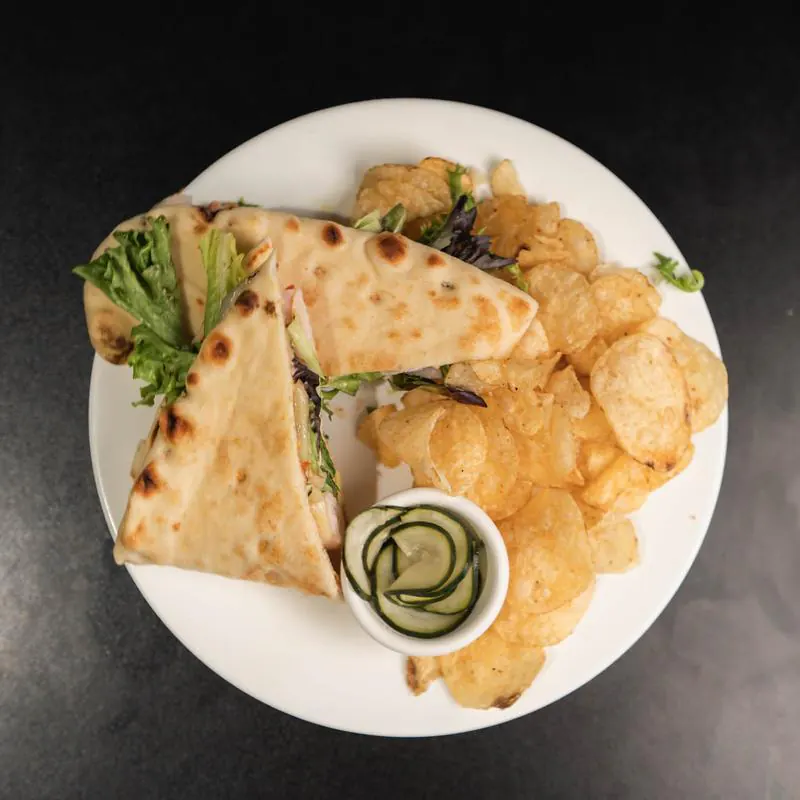
Monument has the kind of café culture that sneaks up on people. At first glance, it reads as a small Front Range town with mountain views, a historic core, and a pace that feels noticeably calmer than Colorado Springs or Denver. Spend a little time there, though, and the appeal sharpens. For anyone who measures a town partly by the quality of its coffee, pastry case, window seats, and conversation, Monument offers a lot more than its size suggests.
That is the key to understanding why this place works so well for café lovers. It is not trying to be a giant food city. It does not need to be. What Monument does have is a combination that café owners spend years looking for: a steady local customer base, a stream of visitors, a climate that rewards warm drinks and cozy interiors, and a setting where people still make time to sit down instead of treating coffee as a transaction. A good café can survive almost anywhere. A great café scene needs habits, rhythms, and community. Monument has those in abundance.
A town that naturally supports lingering
Some places are built for speed. People dash in, grab a drink, and disappear into traffic. Monument encourages a different pattern. The town’s scale matters here. Distances are manageable, parking is often less punishing than in larger city centers, and many daily routines still allow space for a slower stop in the morning or early afternoon. That makes a real difference for cafés.
Anyone who has spent time in coffee shops knows there are two broad business models. One depends heavily on volume and fast turnover. The other thrives on repeat customers who linger, meet clients, read for an hour, or bring family after a weekend outing. Monument leans toward the second model. That creates room for cafés to develop personality. Staff have a better chance of recognizing regulars. Customers are more likely to return not just because the latte was good, but because the room felt good.
That sense of ease is one reason searches for a Cafe Monument, CO option often lead people to pleasant surprises. Instead of finding a purely functional stop, they often find spaces that feel woven into local life. You notice it in the pace of the line, in the way people greet each other, and in the fact that someone at the next table may be discussing school events, trail conditions, or a local business idea rather than rushing through a phone call before heading back to a downtown high rise.
The climate practically invites coffee
Front Range weather shapes habits more than outsiders sometimes realize. Monument sits at an elevation that gives it crisp mornings, cooler stretches, and a long season when a hot drink feels like more than a caffeine delivery system. Even in warmer months, mornings can carry enough chill to make a cappuccino or drip coffee especially satisfying. In fall and winter, the appeal only grows.
For café owners, climate affects everything from menu design to seating strategy. In a place like Monument, seasonal drinks make sense because customers actually want them. So do hearty baked goods, breakfast sandwiches, and the kind of soups or light lunch offerings that pair well with a second cup. A café here can make cozy part of its identity without it feeling staged. The weather does some of the work.
The visual setting helps too. Monument and the surrounding area offer views and landscapes that naturally pair with coffee culture. There is something distinctively Colorado about stepping out into cool air, seeing pines or open sky, and carrying a warm cup back to your car or onto a patio that catches the sun. That sensory contrast sticks with people. It turns ordinary café visits into small rituals.
Weekend traffic without big-city chaos
One of Monument’s advantages is that it benefits from movement without being overwhelmed by it. The town sits in a corridor that brings through commuters, day trippers, visitors headed toward the mountains, and people exploring nearby outdoor areas. That means local cafés are not dependent on one customer type alone.
A healthy café scene usually needs some mix of regular residents and occasional newcomers. Residents provide consistency. Visitors provide lift, especially on weekends and during favorable travel seasons. Monument gets both. Families heading out for a hike, cyclists looking for a pre-ride espresso, remote workers breaking routine, and travelers wanting something more personal than a highway chain all help support independent coffee businesses.
The balance matters. In some tourist-heavy towns, café quality can flatten because businesses know they will get one-time customers regardless. In some bedroom communities, coffee shops struggle because customers leave town early and return late, draining daytime foot traffic. Monument sits in a middle space that is more forgiving. It has enough local loyalty to reward quality, and enough pass-through interest Cafe Monument, CO to keep things lively.
That is often why a Cafe Monument, CO search can produce places with genuine ambition. Owners are not serving a captive audience. They have to win repeat business from locals who know good coffee and also make a strong impression on visitors who have plenty of alternatives elsewhere along the Front Range.
Small-town familiarity, metropolitan expectations
Monument benefits from its proximity to larger population centers. People who live there or move there are not arriving with low expectations. Many have spent time in Denver, Colorado Springs, or other cities where coffee standards have risen sharply over the past decade. They know the difference between over-roasted beans and a balanced espresso. They care whether pastries are fresh. They notice if the music is too loud to hold a conversation. That kind of customer pressure is healthy.
At the same time, Monument is not burdened by every cost and complication that come with a denser urban café market. Operators can often build something more approachable, less cramped, and more community-oriented. The result can be a style of café that combines metropolitan quality with small-town comfort. That is a powerful combination, and not an easy one to replicate.
You see it in practical details. Seating can be more generous. Parents with children do not feel like they are squeezing into a corner of a minimalist coffee bar designed mainly for laptop users. Retirees can settle in without feeling hurried. Students can spread out a little. A local business owner can hold a casual meeting over coffee without shouting over a crowded brunch room. These are not glamorous details, but they are the details that determine whether a café becomes part of someone’s weekly life.
Outdoor culture creates natural café rituals
Cafés and outdoor towns tend to reinforce each other. Monument has access to trails, open space, and nearby recreational opportunities that create demand at predictable times of day. Early mornings bring runners, walkers, and cyclists. Midmorning brings families and visitors. Afternoons often bring people looking to refuel after time outside. In many places, coffee shops are a detour. In Monument, they often feel like part of the outing itself.
That pattern changes what a successful café can be. It is not only a destination for remote work or casual meetings. It can also be a launch point and a landing point. People grab coffee before a hike, then return for a pastry or lunch. They meet friends there before carpooling to a trailhead. They stop in after a cold morning outside and stay longer than they intended because the room is warm and the table by the window just opened up.
From a business perspective, this is valuable because it spreads demand across the day. From a customer perspective, it makes café life feel embedded in the landscape. The best café towns are not ones where coffee exists in isolation. They are places where coffee connects naturally to how people already live. Monument fits that model well.
The local economy supports repeat business
A good café needs more than charm. It needs enough households with discretionary spending to support regular visits. Monument benefits from a relatively stable local customer base made up of families, professionals, retirees, and people who value quality-of-life amenities. That mix tends to support cafés better than areas that are purely transient or purely price-driven.
Coffee is one of those categories where repeat business can look modest but compound quickly. A customer who stops in twice a week for a drink and a pastry becomes meaningful over months. A parent who grabs coffee after school drop-off can turn into a near-daily regular. A remote worker who spends three hours there every Thursday may also bring visiting friends or hold informal meetings on-site. Monument’s rhythms encourage those patterns.
There is also a subtle but important point about trust. In smaller communities, word spreads fast. If a café is inconsistent, people notice. If it is warm, reliable, and well run, people notice that too. This can be tough on new operators, but it is excellent for café lovers because it rewards places that pay attention. The standard tends to rise when customers are not anonymous.
What people actually want from a Monument café
In larger cities, cafés sometimes split into narrow identities. One may focus almost entirely on serious espresso. Another may lean hard into brunch. Another becomes a laptop hub with decent coffee but not much soul. Monument customers often want a more balanced experience. They appreciate craft, but they also want comfort. They value quality, but they do not necessarily want pretension.
The strongest cafés in towns like Monument typically do a few things well at the same time.
- They serve coffee that tastes intentional, not generic.
- They create seating and acoustics that allow conversation.
- They offer food that feels like a real complement, not an afterthought.
- They welcome both regulars and first-time visitors without making either group feel out of place.
- They reflect the town rather than imitating a trend from somewhere else.
That last point matters. People can tell when a café belongs to its setting and when it has been dropped into a place with no adaptation. Monument rewards businesses that understand local tempo. A room that feels too slick or too hurried can miss the mark. A café does not have to be rustic, but it should feel grounded.
Historic character gives cafés a head start
Towns with some historic texture often have a built-in advantage for café culture. Monument’s older areas, local storefronts, and modest small-town streetscape help create the atmosphere café owners usually try to manufacture from scratch. Architecture alone does not make coffee taste better, but it changes how the whole experience lands.
People like places with context. A café tucked into a walkable area, near other local businesses, carries a different energy from one isolated in a generic strip. Both can succeed, but the first often becomes part of a broader outing. Customers might browse shops, walk nearby, meet someone for lunch, or simply spend time in the district. That cross-activity strengthens the café scene.
This is one reason smaller towns with real identity often outperform expectations. They offer atmosphere without requiring a massive crowd. Monument has enough character to make a café visit feel like an experience, not just a purchase.
A place where regulars still matter
One overlooked reason Monument appeals to café lovers is the social texture of repeat visits. In very large markets, even excellent cafés can feel anonymous. Service may be polished, but the relationship ends at the register. Monument leaves more room for familiarity. Not every customer wants to be known, of course, but many appreciate it when staff remember an order, ask about a local event, or recognize them from previous mornings.
Those interactions sound small until you add them up. They are part of what separates a place people use from a place people care about. A café can become a third place, somewhere between home and work, only if enough people feel at ease there. Monument’s scale supports that better than many faster, denser markets.
There is a trade-off, and it is worth stating plainly. Smaller community café scenes can sometimes feel less anonymous than newcomers expect. If you prefer the total privacy of a large city coffee bar, Monument may feel more personal. For most café lovers, though, that personal quality is a feature. It gives the scene emotional staying power.
Remote work has made towns like Monument stronger café markets
The rise of hybrid schedules and remote work has changed the geography of coffee demand. People no longer need to live near a downtown core to expect high-quality cafés nearby. In fact, many now rely on neighborhood coffee shops more than ever. Monument is well positioned for this shift.
A remote worker in Monument may want three different things from a café in one week: a quiet corner for focused work, a neutral place for an informal meeting, and a weekend spot for relaxing with family. Towns that can serve all three uses tend to develop loyal customer bases. Monument’s blend of residential stability and flexible daytime patterns makes that possible.
There is also a practical element. People working from home often need periodic changes of scenery. They may not want a thirty-minute drive just to answer emails somewhere other than the kitchen. If a local café offers good coffee, dependable Wi-Fi, reasonable seating, and an environment where staying a while feels acceptable, it becomes a real asset. In Monument, that kind of café is not a luxury. It is part of what makes the town feel livable for modern routines.
Why café quality often feels more personal here
Coffee standards are easy to discuss in technical terms: extraction, bean sourcing, milk texture, roast profile. Those things matter. But in towns like Monument, people often judge cafés more holistically. Was the coffee good? Certainly. Was the room inviting? Did it feel clean and calm? Was the food fresh? Could you hear the person across from you? Did the place make you want to come back next week?
That broader lens tends to produce more durable café culture. It rewards operators who understand hospitality rather than focusing solely on trend signals. A beautifully dialed-in espresso program is valuable, but if the space feels cold or chaotic, customers in Monument may choose the café that offers a slightly less ambitious drink and a much better overall experience.
For café lovers, this is good news. It means the scene is often grounded in use, not performance. Quality still matters, but quality is understood in a practical, lived way. The best cafés in Monument are likely to be the ones people rely on, not merely photograph.
For visitors, timing changes the experience
If you are exploring cafés in Monument, your impression will depend partly on when you go. Early weekday mornings tend to reveal a town in motion, with commuters, school-related traffic, and regulars on established routines. Midmorning can be the sweet spot if you want a slower feel. Weekends often bring the most visible community energy, especially when weather encourages outdoor plans.
A few patterns are worth keeping in mind.
- Cooler mornings are prime café time in Monument, especially outside peak summer heat.
- Weekend visits often show a café at its most social and representative.
- Midafternoon can be quieter if you want space to work or read.
- Seasonal shifts matter, with fall and winter often enhancing the classic cozy café experience.
Those details may sound ordinary, but they shape whether a place feels rushed, relaxed, or perfectly tuned to its setting. In a town where atmosphere is part of the appeal, timing is not trivial.
The keyword people search, and the experience they actually want
When people type Cafe Monument, CO into a search bar, they are usually looking for more than caffeine. They may think they are searching by category and location, but what they want is often harder to name. They want a place that feels local. They want quality without friction. They want somewhere they can stop on the way to something else, or nowhere in particular.
Monument delivers on that because the town itself supports the habits that keep cafés vibrant. There is enough growth to sustain demand, enough character to avoid sameness, and enough daily rhythm to let cafés become part of real life. The setting encourages warmth, the community rewards consistency, and the pace allows people to linger long enough to enjoy what they ordered.
That combination is rarer than it sounds. Plenty of places have coffee shops. Fewer have a true café culture, where the drink, the room, the town, and the routines all fit together naturally. Monument does, and that is what makes it such a good place for café lovers.
Bennies Cafe
17230 Jackson Creek Pkwy Ste 100, Monument, CO 80132
+1 719-445-0660
FAQ About Cafe Monument, CO
What is considered a café?
A café is generally an informal place to enjoy refreshments and a meal. Bennies Cafe in Monument serves breakfast and lunch in a counter-service setting, with options including eggs Benedict, sandwiches and crepes. Guests can eat in or arrange pickup.
What is the difference between a coffee shop and a café?
The terms often overlap. A coffee shop usually emphasizes coffee and other drinks, while a café may offer a broader food menu. Check the individual establishment's menu rather than relying on its name. Bennies Cafe offers coffee drinks alongside breakfast and lunch dishes.
What is the difference between café and coffee?
In everyday English, a café is a place where people buy food and drinks, while coffee is the beverage. The word café comes from the French word for coffee. Bennies Cafe serves options such as brewed coffee, espresso and lattes as part of its drinks menu.