How to Create a Late-Night Cafe Concept That Works
A late-night cafe can look attractive on paper. The city feels alive after dark, rents may seem easier to justify if you add more trading hours, and there is a romantic appeal to being the place where people land after dinner, after work, after a gig, after a long shift, or after they simply do not want the night to end. Yet plenty of operators discover the hard way that staying open late is not the same as having a late-night concept.
That distinction matters. If you run your daytime cafe until midnight without changing the offer, the atmosphere, the labor model, or the reason people should come, you are usually just carrying daytime costs into low-productivity hours. The businesses that succeed at night do something more deliberate. They understand the customer who appears after 8 p.m., they design a menu that makes sense for slower rhythms and smaller teams, and they create a room people want to be in when everything else nearby is either too loud, too expensive, or already shut.
The best late-night cafe concepts sit in a very useful gap. They are not bars, not diners, not all-day brunch places, and not quick-service dessert counters. They offer social energy without club noise, comfort without tablecloth formality, and enough quality to make a person choose them on purpose rather than by default. Getting there takes more than mood lighting and a later closing time.
Start with the night customer, not the daytime guest
Operators often begin with what they already know. They look at their daytime cafe, ask what can be stretched into later hours, and build from there. That is understandable, but it creates blind spots. Night guests behave differently from morning regulars in almost every useful way. They arrive in groups more often. They linger longer. They are less willing to queue. They are more sensitive to lighting, music, comfort, and perceived safety. They want indulgence, but not necessarily a huge meal. They may want caffeine, but they also may want to avoid too much of it. Some want dessert. Some want quiet conversation. Some want a place to work after a late shift. Some simply want somewhere decent to sit that does not revolve around alcohol.
A late-night cafe has to decide which of these people it serves best.
That is why location analysis needs to happen at night, not just at 10 a.m. Spend several evenings on the block. Count foot traffic at 7 p.m., 9 p.m., and 11 p.m. Notice whether people are walking in pairs, family groups, or larger friend groups. Watch how long they stay in the area. Look at what nearby businesses push onto the street. A cinema crowd behaves differently from a university crowd. Hospital workers have different patterns from office workers leaving a business district. In dense neighborhoods, late traffic can be surprisingly local. In destination districts, the same street may be packed on Friday and weak on Tuesday.
The strongest concepts come from one clean answer to a practical question: why would someone choose this cafe at 10:30 p.m.?
If the answer is vague, the concept is weak. “Good coffee and nice vibes” is not enough at that hour. “A calm, polished room with excellent desserts and low-proof evening drinks near the theater district” is getting somewhere. “The only serious late-night cafe in the neighborhood for students and freelancers, with strong coffee, filling toasties, and reliable Wi-Fi until 1 a.m.” is sharper. “A neighborhood cafe that turns warmer and more intimate after dark, with shareable sweets, tea service, and a short savory menu for couples and small groups” is clearer still.
Clarity here saves money later. It informs menu engineering, staffing, interior design, music, service style, and hours.
Pick the business model before you pick the playlist
A lot of late-night places lean too hard on aesthetics. They chase moody interiors, statement cups, neon signs, and cinematic social media photos. Those things can help, but they do not make the economics work.
The business model has to lead.
At night, average check matters more than during the morning rush because the pace is slower and seats turn less often. In a daytime cafe, fast volume can compensate for modest tickets. After 8 p.m., if guests stay 75 to 90 minutes and spend very little, a full room can still underperform. That is the trap. Operators see occupancy and assume the business is healthy. Then payroll, utilities, waste, and security costs tell a different story.
A functioning late-night cafe usually needs a menu architecture that raises spend without feeling pushy. This often means layering categories rather than simply adding more items. A guest might order one beverage, then a dessert, then maybe a savory plate to share. A second round should feel natural. The strongest evening menus are built around attachment, not sheer breadth.
One operator I know made a smart adjustment after opening. They launched with an ambitious menu of plated desserts, sandwiches, specialty teas, mocktails, coffee, and breakfast holdovers. The room looked full every evening, but the kitchen was getting buried while the average spend stayed ordinary. They stripped the menu down, removed the breakfast crossover, and created a more disciplined night offer: three strong desserts, two warm savory items, one premium hot chocolate, a few composed cold drinks, and a concise coffee range. Sales per labor hour improved almost immediately. Guests understood the place faster, service got quicker, and waste dropped.
That is often the trade-off. The more all-things-to-all-people the menu becomes, the less coherent the concept feels, and the harder it is to run with a smaller evening team.
What actually sells after dark
Night menus behave differently. People are usually not shopping for utility. They are shopping for comfort, appetite, ritual, or company. That creates room for higher-margin items, but it also punishes anything that feels fussy, slow, or confusing.
Coffee still matters, but not in the same way it does in the morning. Some guests want espresso. Others want decaf options that feel considered rather than like an afterthought. Milk texture, cup size, sweetness, and temperature all matter more at night because drinks are often consumed more slowly. Tea can overperform if presented well. So can drinking chocolate. Signature drinks with a low-caffeine or no-caffeine base often do better than operators expect, especially in neighborhoods with younger guests, drivers, observant religious communities, or people who simply do not want alcohol.
Food should be designed for a low-friction kitchen. Late at night, complexity becomes expensive. You usually have fewer staff, less management presence, and less margin for ticket spikes. Good late-night food tends to share a few characteristics. It is fast to assemble, forgiving to hold briefly, satisfying without being too heavy, and easy to eat in a social setting. That might mean baked goods warmed to order, compact savory plates, high-quality toasties, filled flatbreads, elegant desserts, or a small set of sharing items. It rarely means a broad all-day menu with high-prep proteins and numerous made-to-order components.
Dessert deserves special attention because it is one of the easiest ways for a late-night cafe to separate itself from daytime competitors. A strong dessert program can raise average check, photograph well, create repeat cravings, and fit nicely with hot beverages. But it has to be more than sugar. Contrast helps. Rich and light, warm and cold, familiar and seasonal. A molten chocolate cake is attractive, but if every option is heavy, the menu becomes one-note. One clean fruit-based item, one textural pastry, one indulgent centerpiece, and one sharable item often give guests enough choice without operational chaos.
The room has to change character after dark
Many cafes underestimate how much the physical environment needs to shift in the evening. Bright task lighting, hard chairs, visible pastry displays, and a queue-driven counter can work beautifully at 8 a.m. They can feel exposed and transactional at 10 p.m.
That does not mean turning the room into a bar. It means understanding how people want to inhabit space at night. They want a sense of privacy, but not isolation. They want to hear each other without feeling trapped in silence. They want to sit long enough to relax without the furniture punishing them after twenty minutes.
Lighting does much of the work. The best late-night cafes use layers rather than a single setting. Lower ambient light, warmer tones, and focused table lighting can make a room feel intimate while still keeping staff lines of sight clear. If the space has large front windows, consider how it reads from the street. From outside, the room should feel inviting, active, and safe. From inside, it should not feel like a fishbowl.
Music is another common failure point. Operators either play daytime playlists too softly, which creates dead air, or overcompensate with bar-level energy. The right soundscape supports conversation. It creates pulse without demanding attention. You want people to feel the room, not fight it.
Furniture matters more than people admit. Seats need enough comfort for a longer stay, but not so much that the room loses turnover completely. Table sizes should match your intended groups. If your evening business will come mostly from pairs and groups of three or four, but the room is built around solo laptop seats and two tiny sidewalk tables, you will feel that mismatch every night.
Safety is part of the concept, not just an operational note
Late-night hospitality carries a different emotional contract. Guests are more aware of their surroundings, especially if they are arriving alone, leaving alone, or walking back to transit. A cafe that feels safe earns trust quickly. One that feels ambiguous loses it just as fast.
Safety begins outside. Sightlines from the street, adequate exterior lighting, clean entry conditions, and visible activity matter. So does who is around the door. If neighboring businesses create regular disturbances, your concept may be fighting the wrong battle regardless of how good the coffee is.
Inside, staff presence, layout, and calm control set the tone. Guests should know where to order, where to sit, and who to ask for help. If you offer table service, it should be purposeful rather than half-done. If service is counter-led, staff should still circulate enough to keep the room observed. Restroom access and monitoring become more important at night. So does your policy on loitering, intoxicated non-customers, and last-call communication.
This is also where many operators make a poor labor decision. They skeleton-staff late hours because sales are uncertain, then find that the room feels under-managed. The result is slower service, more friction, and lower perceived safety, which depresses demand further. There is a threshold below which saving labor hurts revenue.
The late-night team needs a different skill set
Daytime cafe teams are often optimized for speed, repetition, and morning intensity. Evening teams need composure, situational judgment, and stronger hospitality instincts. The work is less about surviving a rush and more about controlling pace, reading the room, and preserving standards during a longer, looser service.
This does not necessarily mean adding more people. It means choosing the right people. A calm supervisor or senior floor lead can be worth more than a technically strong barista who has little guest presence. Cross-training is especially valuable. A team member who can handle coffee, plate simple desserts, reset tables, and de-escalate awkward situations gives you flexibility in a way narrow specialization does not.
The other often-missed issue is shift desirability. Late hours can create retention problems if the schedule feels unfair or the transport situation is poor. If staff finish after public transit slows down, transport support may be necessary. If the close is consistently chaotic, morale drops. Evening openings and closes should be designed for realism, not wishful thinking. If you need ninety minutes to reset, count that labor honestly.
Pricing needs nerve and discipline
Some operators underprice late-night cafes because they compare themselves only to morning coffee shops. That is the wrong benchmark. Your customer at 9:30 p.m. Is comparing you against dessert bars, casual restaurants, hotel lounges, juice spots, fast food, convenience stores, and sometimes simply going home. Price needs to reflect your role in that ecosystem.
A useful way to think about it is this: guests are paying not just for product, but for time, atmosphere, and relief. If your room is attractive, your service steady, and your offering distinct, you should not be pricing like a grab-and-go coffee counter.
At the same time, overreach is dangerous. A concept that tries to feel premium without delivering polish can get exposed quickly at night because guests are more attentive. They are staying longer, looking around more, and judging details. A small menu priced confidently works when quality is obvious. It fails when portions feel timid, wait times drag, or service loses warmth.
Bundling can help without cheapening the brand. A drink-and-dessert pairing, a small sharing set for two, or a tea service with a pastry can make decision-making easier and raise spend smoothly. The key is to make the bundle feel curated rather than discount-driven.
Know the signs that the concept is really working
A busy room is encouraging, but it is not proof. Late-night cafes need a few more specific signs.
- Guests order second items without prompting, often dessert after drinks or another round for the table.
- Different customer types use the space comfortably, but the core audience is obvious and repeatable.
- Sales remain respectable on non-peak nights, not just Fridays and Saturdays.
- Staff can maintain standards with the intended evening team size.
- People recommend the place for a specific nighttime reason, not just because it is open.
That last point is particularly important. If guests tell friends, “It’s a great spot after the cinema,” or “It’s the best place nearby for tea and dessert late,” the concept has become legible. Legibility lowers marketing costs because word of mouth does clearer work.
Marketing should sell a ritual, not just opening hours
Many businesses promote late hours as if that alone creates demand. “Open until midnight” is useful information, but it is not a story. People need a reason to build your place into their routine.
The most effective marketing for a late-night cafe tends to frame moments rather than products. Date night without the bar scene. A post-dinner dessert stop. A calm place to decompress after a hospital shift. Somewhere to continue the conversation when the restaurant table is gone. A soft landing after an event. Those scenarios are memorable because they map onto real behavior.
Photography should reflect this. Show the room occupied in believable ways. Pairs sharing cake. A table with tea and plated dessert. A solo guest with a book near closing. Warm glassware, actual evening lighting, and food that looks good under night conditions. Too many brands use bright daytime images to promote nighttime trade, and the mismatch is felt immediately.
Partnerships can also be surprisingly effective. Theaters, cinemas, small music venues, universities, co-working spaces, and nearby residential buildings can all feed traffic if the relationship is practical. Sometimes the best collaboration is simple, a mention on a local venue guide, a post-show offer, or a menu timed to event intermissions. The more naturally your cafe fits into nearby nighttime patterns, the less expensive customer acquisition becomes.
Weeknights are where the model proves itself
Anyone can look decent on a Saturday night in the right area. The real test is whether the business has enough shape to hold from Sunday through Thursday. This is where many concepts reveal that they are occasional treats rather than dependable habits.
To strengthen weeknights, avoid relying exclusively on spectacle. Spectacle draws peaks, not consistency. Consistency comes from comfort, predictability, and enough menu range for repeat use. A guest might come once for the viral dessert. They come back for the room, the service, and the feeling that the place fits the rhythm of their life.
Programming can help, but it has to match the brand. Quiet live music can work in some markets. So can late study sessions during exam season, tasting flights for tea or drinking chocolate, or collaborations with local bakers. But if events become the only reason people show up, the underlying concept may still be weak. A good late-night cafe should stand on ordinary nights first.
Common mistakes that sink late-night cafes
Most failures are not dramatic. They are accumulations of small mismatches. A menu too broad for Cafe Bennies Cafe the team. A room too bright to feel comfortable. Seating that invites social use but service designed for quick turnover. Prices too low to support labor. Music too aggressive for the audience. Closing hours that look ambitious but ignore actual demand after 10 p.m.
Another frequent mistake is copying a successful format from another neighborhood or city without adjusting for local nighttime behavior. A concept that thrives near universities may struggle in a business district. A dessert-heavy model that works in one culture may need more savory balance in another. A beautifully designed room can still fail if local guests expect a stronger value proposition or more substantial late food.
Then there is the temptation to become everything at once: cafe, workspace, dessert bar, mocktail lounge, brunch spot, retail shelf, event venue. Mixed-use concepts can work, but only when one identity clearly leads. If guests cannot understand what the place is after dark, they rarely make it a habit.
Testing before you commit fully
If you already operate a daytime cafe, a staged approach is usually wiser than an immediate full conversion to late-night trade. Extend hours on selected nights first. Track not just sales, but product mix, labor strain, dwell time, and guest behavior. Watch which seats fill first and which stay cold. Listen to what people ask for that you do not have. Notice whether they come in intentionally or only because nearby options are closed.
The most useful early metrics are often simple:
- sales by half-hour after 7 p.m.
- average check by party size
- second-item attachment rate
- labor cost by evening shift
- waste on night-specific products
If those numbers do not improve after a sensible testing period, the answer may not be “market harder.” It may be “sharpen the concept” or even “this location does not support the idea.” That is not failure. It is good operating judgment.
When the concept finally clicks
You can usually feel when a late-night cafe has crossed from experiment into institution. The room settles into a recognizable rhythm. Guests arrive with purpose. The menu stops trying too hard. Staff know how to pace the evening. There is enough energy to feel alive, enough calm to make people stay, and enough commercial discipline to justify the hours.
That balance is what separates a workable late-night cafe from a place that simply stays open late. The businesses that last understand that nighttime hospitality is its own craft. It asks for a sharper concept, firmer economics, and more emotional intelligence from the room. Get those pieces right, and a cafe can become one of the most valuable kinds of neighborhood business, a place people genuinely need when the day is over but the night is still unfolding.
Bennies Cafe
17230 Jackson Creek Pkwy Ste 100, Monument, CO 80132
+1 719-445-0660
FAQ About Cafe
What is considered a café?
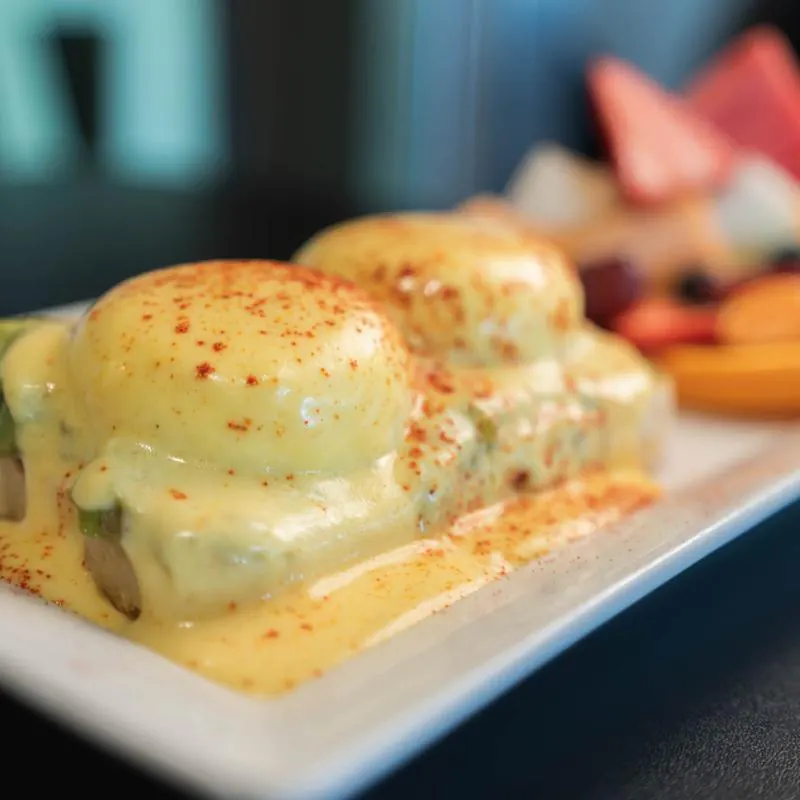
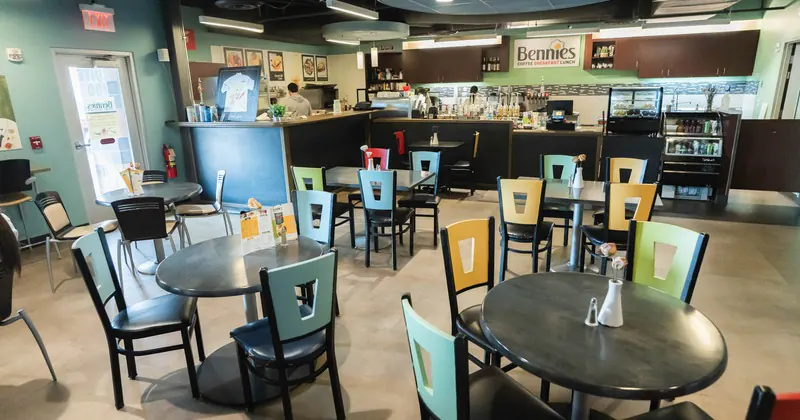
A café is generally an informal place to enjoy refreshments and a meal. Bennies Cafe in Monument serves breakfast and lunch in a counter-service setting, with options including eggs Benedict, sandwiches and crepes. Guests can eat in or arrange pickup.
What is the difference between a coffee shop and a café?
The terms often overlap. A coffee shop usually emphasizes coffee and other drinks, while a café may offer a broader food menu. Check the individual establishment's menu rather than relying on its name. Bennies Cafe offers coffee drinks alongside breakfast and lunch dishes.
What is the difference between café and coffee?
In everyday English, a café is a place where people buy food and drinks, while coffee is the beverage. The word café comes from the French word for coffee. Bennies Cafe serves options such as brewed coffee, espresso and lattes as part of its drinks menu.